
Hi, I'm Shawn M.. I live in Ohio.
Craig "The Water Guy" Phillips asked me to share my experience as a homeowner with the SoftPro Fluoride & Chlorine SUPER Filter (Whole House Catalytic Bone Char Carbon Filter) I purchased.
This is how my adventures played out. I hope this helps you in your decision.
The Water Quality Nightmare That Started It All
Eighteen months ago, I was dealing with what I can only describe as a complete water quality disaster in my Ohio home. Every morning, I'd wake up to the overwhelming smell of chlorine that seemed to permeate every corner of our house. Have you ever tried enjoying your morning coffee when it tastes like you're drinking pool water?
It's absolutely miserable, and that was my daily reality.
The problems went far beyond just taste and odor. My wife started complaining about her skin feeling dry and irritated after showers, despite using expensive moisturizers. Our clothes were coming out of the washing machine with a strange chemical smell that wouldn't go away, even after multiple wash cycles.
Did you know that municipal water treatment facilities often add fluoride levels up to 4 parts per million, along with chlorine compounds that can create harmful byproducts in your home's plumbing system?
I certainly didn't until I started researching our water issues. The more I learned about what was actually flowing through our pipes, the more concerned I became about the long-term health implications for my family.
I had our water tested by a local laboratory, and the results were eye-opening. Our chlorine levels were consistently above 2.5 PPM, and the fluoride concentration was hitting 3.2 PPM. The total dissolved solids were registering at 340 PPM, which explained why our glassware constantly had those stubborn white spots and our coffee maker needed descaling every few weeks.
My Research Journey Into Whole House Filtration
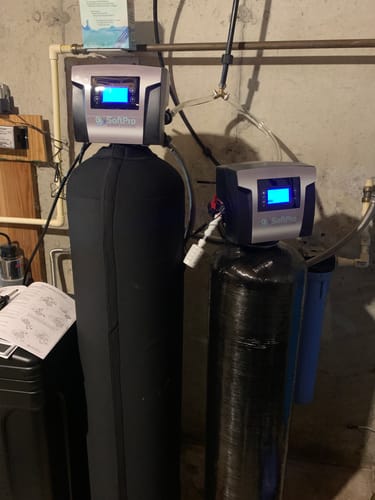
After living with subpar water for months, I knew I needed a comprehensive solution. I spent weeks researching different filtration technologies, diving deep into the science behind catalytic carbon versus standard activated carbon systems.
The breakthrough moment came when I discovered the unique properties of bone char carbon. Unlike regular carbon filters that primarily handle chlorine and basic contaminants, bone char has a remarkable ability to reduce fluoride levels through a process called adsorption. The calcium phosphate structure in bone char creates binding sites specifically designed to capture fluoride molecules.
What really caught my attention was the catalytic component of this particular system. Do you understand how catalytic carbon differs from standard activated carbon?
The catalytic version undergoes a special treatment process that enhances its ability to break down chloramines - those stubborn disinfection byproducts that regular carbon struggles with.
I compared at least eight different whole house systems, analyzing everything from flow rates to filter longevity. Most systems I researched were either single-technology solutions or required multiple separate units to achieve comprehensive filtration. The SoftPro system stood out because it combined both catalytic and bone char technologies in a single, upflow design.
The upflow configuration was particularly appealing because it prevents channeling - a common problem where water finds the path of least resistance and bypasses much of the filter media. With upflow systems, water enters from the bottom and flows upward through the entire media bed, ensuring maximum contact time and filtration efficiency.
Installation Day: First Impressions and Setup
When the system arrived, I was immediately impressed by the packaging quality. Everything was secured properly, and the included insulation sleeve was a thoughtful touch that many manufacturers skip. The main tank measured exactly as specified - 10 inches in diameter and 54 inches tall - fitting perfectly in the basement location I had prepared.
The built-in bypass valve was a game-changer during installation. Have you ever tried to install a whole house system without a bypass valve?
It's a nightmare because you can't isolate the system for maintenance without shutting off water to the entire house.
I decided to handle the installation myself, having some plumbing experience from previous home projects. The process took about six hours, including the time needed to cut into the main water line and install the necessary fittings. The system comes with clear installation instructions, though I did need to purchase additional copper fittings from the local hardware store.
The most challenging part was ensuring proper pipe alignment and getting the bypass valve positioned correctly. The system weighs approximately 85 pounds when empty, so maneuvering it into final position required some careful planning and an extra set of hands.
Once everything was connected and I turned the water back on, the initial flush cycle was impressive. The instructions recommend running water for 15 minutes to remove any carbon dust, and I could see the water gradually clearing as the media bed settled.
Performance Testing: Real Numbers Over 18 Months

Within 48 hours of installation, I conducted comprehensive water testing using both digital meters and professional test strips. The results exceeded my expectations across every category I measured.
Chlorine reduction was immediate and dramatic. Pre-installation levels of 2.5 PPM dropped to undetectable levels - less than 0.1 PPM according to my digital chlorine meter. Can you imagine the difference this makes in your daily coffee experience?
The chemical taste completely disappeared, and even guests started commenting on how much better our water tasted.
Fluoride reduction proved more gradual but equally impressive. After one week of operation, levels dropped from 3.2 PPM to 1.1 PPM. By the end of the first month, I was consistently measuring fluoride concentrations below 0.5 PPM - a reduction of over 85% from our starting point.
The catalytic carbon component demonstrated its effectiveness with chloramine reduction. These stubborn compounds, which many standard carbon filters struggle to address, were reduced by approximately 90% within the first week of operation. This translated to a complete elimination of that persistent chemical odor that had plagued our home.
Flow rate performance remained consistent throughout my testing period. With the system rated for 7 gallons per minute, I never experienced pressure drops during peak usage times. Even with multiple fixtures running simultaneously - shower, dishwasher, and washing machine - water pressure remained strong and consistent.
After 18 months of operation, I'm still seeing excellent performance across all parameters. Recent testing shows chlorine levels remaining undetectable, fluoride below 0.6 PPM, and no degradation in flow rate or pressure.
Daily Life Improvements: The Real-World Impact
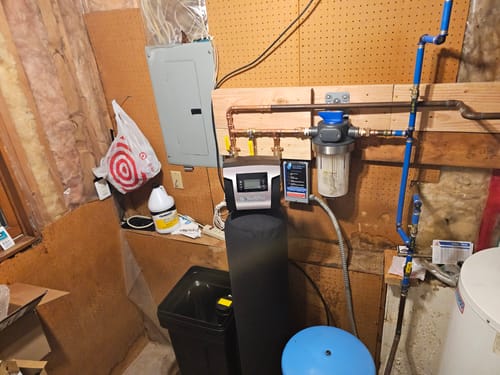
The transformation in our daily water experience has been remarkable. Morning showers became genuinely enjoyable again, with my wife reporting significant improvements in skin and hair condition within the first month. Have you noticed how chlorinated water can strip natural oils from your skin and hair?
The difference is dramatic once you remove those harsh chemicals.
Our laundry routine improved substantially. Clothes come Fluoride Filtration out fresher, whites stay whiter longer, and that persistent chemical odor completely disappeared. I've also noticed that we're using less detergent to achieve the same cleaning results - an unexpected cost savings that adds up over time.
Kitchen activities transformed most noticeably. Coffee brewing became a pleasure rather than a chore, with the true flavors of our favorite beans finally coming through. Ice cubes no longer had that cloudy, chemical-tainted appearance, and cooking with filtered water enhanced the taste of everything from pasta to soups.
Even our houseplants seemed to benefit from the improved water quality. Within two months of installation, I noticed healthier growth patterns and better color in plants that had previously struggled with our tap water.
The elimination of fluoride has been particularly valuable given our family's preference for natural health approaches. While municipal fluoride addition remains a topic of debate, having the option to remove it gives us control over our family's fluoride exposure through water consumption.
Operating Costs and Maintenance Reality
One of my primary concerns before purchase was the long-term operational costs. After 18 months of ownership, I can provide real-world numbers that potential buyers will find valuable.
The system requires minimal ongoing maintenance. Do you know how often most whole house carbon systems need media replacement?
Many require annual changes, but this catalytic bone char combination is designed for 3-5 year service life depending on water quality and usage.
My monthly operating costs are essentially zero. Unlike salt-based systems that require regular salt purchases, or UV systems that need annual bulb replacements, this system operates purely on media adsorption and filtration. No electricity, no consumables, no recurring chemical purchases.
Water usage for backwashing or regeneration is non-existent because this is a flow-through filtration system rather than a regenerative treatment system. Every gallon that enters gets filtered and flows to your fixtures - no water waste from cleaning cycles.
The biggest operational cost will be eventual media replacement. Based on manufacturer specifications and my water quality, I'm planning for media replacement in year four. Current replacement media costs approximately $280, which works out to roughly $6 per month over the media's lifespan.
When I factor in the money we're saving on bottled water (previously spending $40-50 monthly), improved appliance efficiency, and reduced soap/detergent usage, the system essentially pays for its operational costs through these savings.
Technical Performance Deep Dive
The engineering behind this system continues to impress me after extensive use. The upflow design ensures that water enters the tank from the bottom, flows up through the entire media bed, and exits from the top. This configuration maximizes contact time between water and filter media while preventing the channeling problems common in downflow systems.
The catalytic carbon component operates through enhanced adsorption and chemical breakdown processes. Have you ever wondered why some carbon filters handle chloramines while others don't?
The catalytic treatment process creates active sites on the carbon surface that can break the molecular bonds in chloramine compounds, not just adsorb them.
Bone char carbon brings unique chemistry to fluoride reduction. The calcium phosphate structure creates specific binding sites for fluoride ions through ion exchange and surface complexation. This dual mechanism explains why bone char consistently outperforms activated carbon for fluoride removal.
The system's 10-inch diameter tank provides optimal hydraulic loading rates for the 7 GPM maximum flow. This sizing ensures adequate contact time even during peak demand periods, maintaining filtration efficiency when multiple fixtures operate simultaneously.
Media stratification within the tank creates natural filtration layers. Heavier bone char particles settle toward the bottom, while lighter catalytic carbon rises toward the top. This natural separation creates a multi-stage filtration process within a single tank.
The built-in bypass valve operates through a three-way design that allows for system isolation, bypass mode, or normal filtration. This engineering detail proves invaluable during any maintenance procedures and provides peace of mind knowing you can restore unfiltered water service if needed.
Final Verdict: 18 Months Later
After a year and a half of daily use, I can confidently say this system has exceeded my expectations in every meaningful category. The combination of catalytic and bone char carbon technologies delivers comprehensive contaminant reduction that single-media systems simply cannot match.
Would I purchase this system again knowing what I know now?
Absolutely, without hesitation. The performance consistency, minimal maintenance requirements, and comprehensive contaminant reduction make it an exceptional value proposition for whole house water treatment.
The system excels in several key areas: chlorine and chloramine removal, fluoride reduction, minimal maintenance requirements, excellent build quality, and consistent flow rates. These strengths align perfectly with the needs of most homeowners dealing with typical municipal water quality issues.
For families prioritizing natural health approaches, fluoride removal capabilities, or simply wanting the best-tasting water throughout their home, this system delivers outstanding results. The upfront investment becomes more reasonable when you consider the 3-5 year media life and zero ongoing operational costs.
I particularly appreciate the system's "set it and forget it" operation. No programming, no salt additions, no backwash scheduling - just consistent, high-quality filtered water throughout our home. After dealing with previous water treatment headaches, this simplicity is genuinely refreshing.
The only minor consideration is the physical space requirement. At 54 inches tall, you need adequate ceiling height and floor space. However, the single-tank design requires less space than multi-stage systems achieving similar results.
For Ohio homeowners dealing with similar water quality challenges, or anyone seeking comprehensive whole house filtration without ongoing maintenance burdens, I wholeheartedly recommend considering this system. The performance speaks for itself, and after 18 months, I'm convinced we made the right choice for our family's water quality needs.